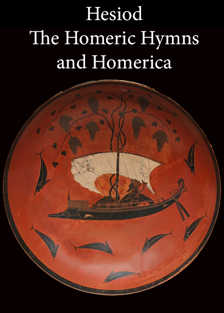
Hesiod, the Homeric Hymns, and Homerica
by Hesiod · Translated by Hugh G. Evelyn-White
- English
- Advanced · C1
- About 9 h of reading
- Listen along
Listen along
Classic books come with free LibriVox audiobooks read by real people. Each sentence lights up word by word as you listen — and shadowing pauses after every phrase so you can say it aloud yourself.
About this book
"Hesiod, the Homeric Hymns, and Homerica" by Hesiod is a collection of ancient Greek poetry that includes works attributed to both Hesiod and Homer, likely compiled during the 8th to 7th century BC. This anthology features major pieces such as "Works and Days" and "The Theogony," focusing on themes of morality, the origins of the gods, and practical wisdom for daily living, reflecting a time when poetry was a fundamental way of preserving cultural knowledge and ethics. The opening section of the work presents an overview of several key poems, specifically highlighting "Works and Days." It begins with an invocation to the Muses, followed by an exploration of the dualities of Strife—one that encourages productive competition and another that fosters chaos and conflict. The narrative sets the stage for moral teachings, including justice, the importance of hard work, and the consequences of wrongful actions. The figure of Perses, Hesiod's brother, emerges as a focal point for these teachings, representing the everyman in a struggle against idleness and the transgressions of human nature. The combination of cosmological themes with practical advice provides a rich context for understanding ancient Greek thought.